
The Crucial Role of Product Matching in E-commerce Intelligence
In the fiercely competitive landscape of e-commerce, understanding your market position is paramount. This is where matching products comes into play. Product matching is the process of identifying identical or highly similar products across various online retailers, allowing businesses to gain comprehensive insights into competitor pricing, inventory, promotions, and overall market strategies. For e-commerce competition intelligence, accurate product matching serves as the bedrock for informed decision-making, enabling businesses to adjust their own strategies to remain competitive, optimize pricing, and ultimately boost sales and profitability.
Types of Product Matching: Identifying Identical and Similar Items
Identical Product Matching
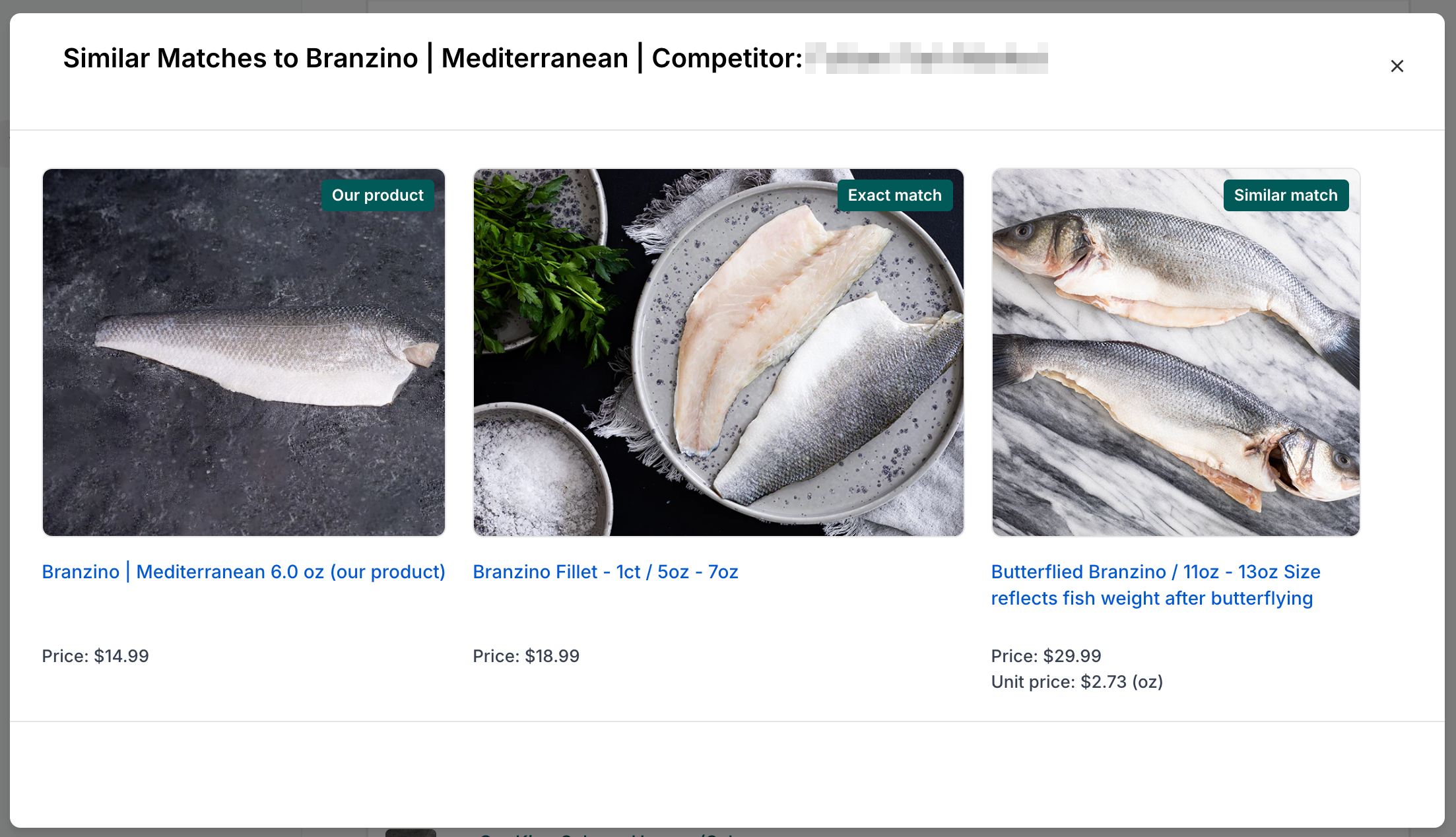
Identical product comparison involves finding products that are exactly the same across different online stores. This means matching items with the same brand, model number, specifications, and often, even the same SKU or UPC. The goal is to compare apples to apples, ensuring that any price or offer discrepancies are truly comparable. This type of matching is crucial for understanding direct competition on specific, tangible items.
How it’s performed: This is typically done using structured data points like Universal Product Codes (UPC), European Article Numbers (EAN), International Standard Book Numbers (ISBN), Manufacturer Part Numbers (MPN), or a combination of brand, model, and key attributes (e.g., “Apple iPhone 15 Pro Max 256GB”). Automated systems often leverage databases of known product identifiers, along with string matching algorithms on product titles and descriptions, and even image recognition to confirm visual identity. The process often includes human-in-the-loop for 100% verification.
Similar Product Matching
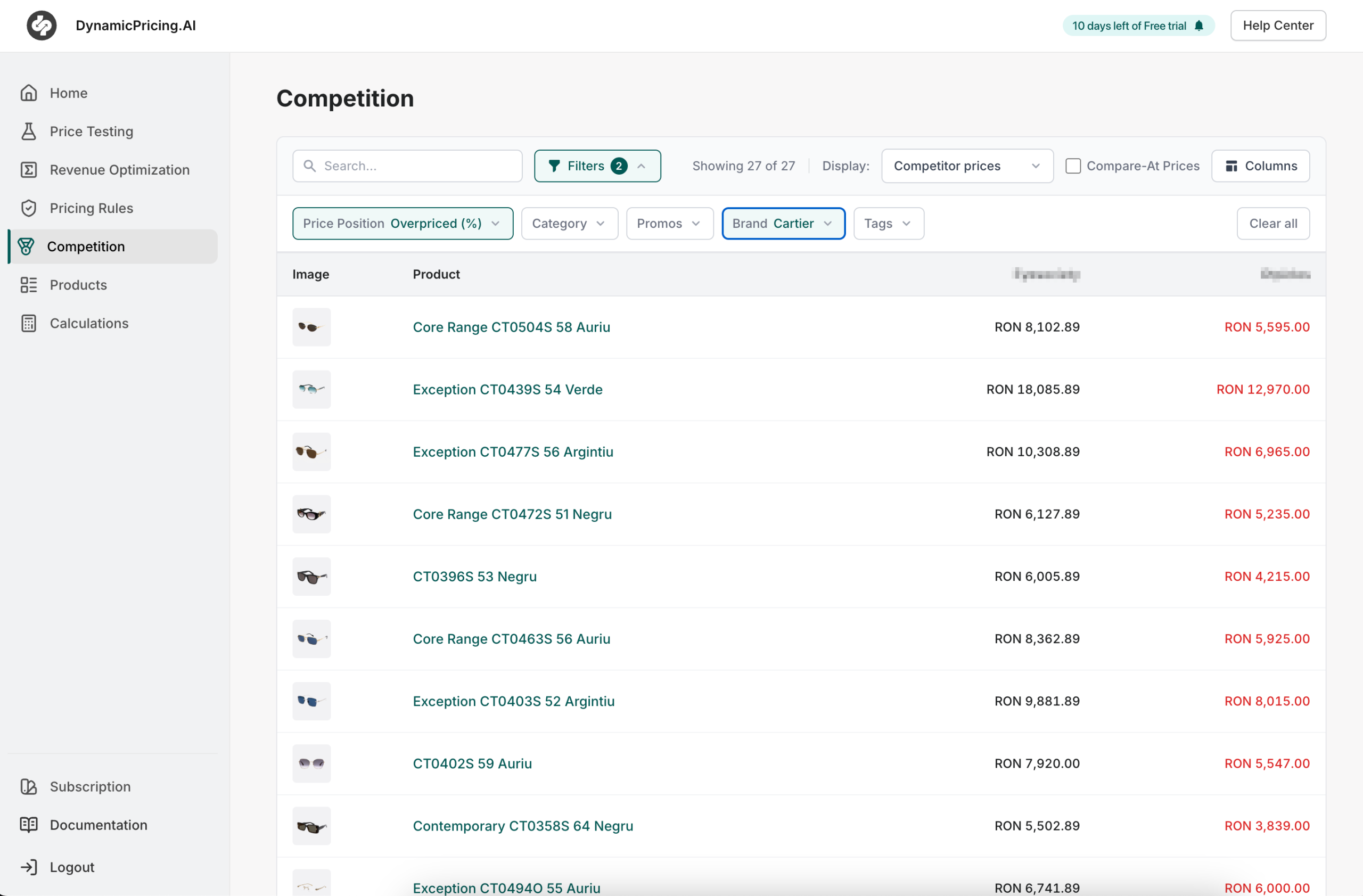
Similar product matching is more nuanced, focusing on identifying products that fulfill the same consumer need or belong to the same category but may differ in brand, specific features, design, or quality. The challenge here is to determine a reasonable level of equivalence between products that are not exact replicas. This type of matching is vital for understanding indirect competition, identifying market gaps, and informing product development strategies.
How it’s performed: This process often relies heavily on advanced artificial intelligence (AI) and machine learning (ML) techniques. Natural Language Processing (NLP) is used to analyze product descriptions, reviews, and specifications for semantic similarity. Image recognition algorithms can identify visually similar items despite different brands or minor design variations. Attribute extraction and clustering techniques group products based on shared characteristics, even if their identifiers are different. This often involves creating a “fingerprint” of a product based on its aggregated features to find its closest counterparts.
Industry Examples and Applications
Retail/Electronics Industry
In electronics, identical matching is straightforward for items like a specific model of Samsung TV or an Xbox console, where UPCs and model numbers are standardized. For similar product matching, retailers might compare their mid-range laptop to a competitor’s laptop with comparable processing power, RAM, and screen size, even if from a different brand. This helps in understanding competitive pricing tiers for performance categories.
Fashion/Apparel Industry
Fashion often deals with both. An identical product might be a specific Levi’s denim jacket sold by multiple online stores. Similar product matching, however, is far more complex. A retailer selling a “floral midi dress” might want to compare it to dozens of other floral midi dresses from different brands, varying in fabric, print detail, and cut. AI-powered image and text analysis are critical here to identify comparable styles and trends.
Groceries/CPG Industry
For groceries, identical product matching is common for branded items like “Coca-Cola 6-pack cans” or “Tide laundry detergent.” Similar product matching becomes important when comparing a store’s private label brand of yogurt to a national brand’s equivalent, or different brands of organic granola bars. This helps in optimizing pricing and promotions for both branded and unbranded goods.
Strategic Pricing Rules Leveraged by Product Matching
Once products are accurately matched, businesses can implement sophisticated pricing strategies. Here are two examples of pricing rules that leverage product matching:
    // Pricing Rule 1: Competitive Price Underpricing for Identical Products
    IF product.category == "Electronics" AND product.match_type == "Identical"
    THEN SET price = competitor_price.min() * 0.98  // Price 2% below the lowest competitor
    WHERE competitor_price.source == "top_5_competitors"
    AND product.availability > 0
    // Pricing Rule 2: Value-Based Pricing for Similar Products with Feature Advantage
    IF product.category == "Fashion" AND product.match_type == "Similar"
    AND product.has_feature("Organic Cotton") AND competitor_product.does_not_have_feature("Organic Cotton")
    THEN SET price = competitor_product.avg_price() * 1.05 // Price 5% above average similar competitor
    WHERE competitor_product.brand_tier == "Similar" AND competitor_product.style_match_score > 0.8
E-commerce Verticals Benefiting from Product Matching
Virtually all e-commerce verticals can significantly benefit from robust matching capabilities. Retailers in electronics, fashion, home goods, groceries, automotive parts, health & beauty, and even specialized niches like sporting goods or pet supplies, rely on accurate matching to stay ahead. By continuously monitoring competitor prices and product offerings for both identical and similar items, businesses can make agile adjustments. This intelligence is integrated in dynamicpricing.ai/ for Shopify. It allows companies to automatically adjust prices based on real-time market conditions, competitor movements, and demand fluctuations. Platforms like dynamicpricing.ai/ leverage sophisticated algorithms powered by precise matching to help businesses optimize their pricing in an ever-changing market.
Conclusion
Product matching is not just a technical process; it’s a strategic imperative for any e-commerce business aiming to thrive in a competitive digital landscape. By accurately identifying identical and similar products, businesses unlock the ability to conduct precise competitive analysis, develop intelligent pricing strategies, and make data-driven decisions that impact their bottom line. Investing in advanced matching solutions is no longer a luxury but a necessity for maintaining market relevance and achieving sustainable growth.