
Pricing rules
Demand-Based Pricing Rules
AI-Powered rules to maximize revenue & market responsiveness

What’s Not Working with Your Demand-Responsive Pricing Today
Real Challenges E-commerce Merchants Face
- Are your prices out of sync with real-time customer demand?
- Are you leaving revenue on the table during demand spikes?
- Are slow periods dragging down sell-through and locking up inventory?
- Is manual price adjustment too slow to keep up with market dynamics?
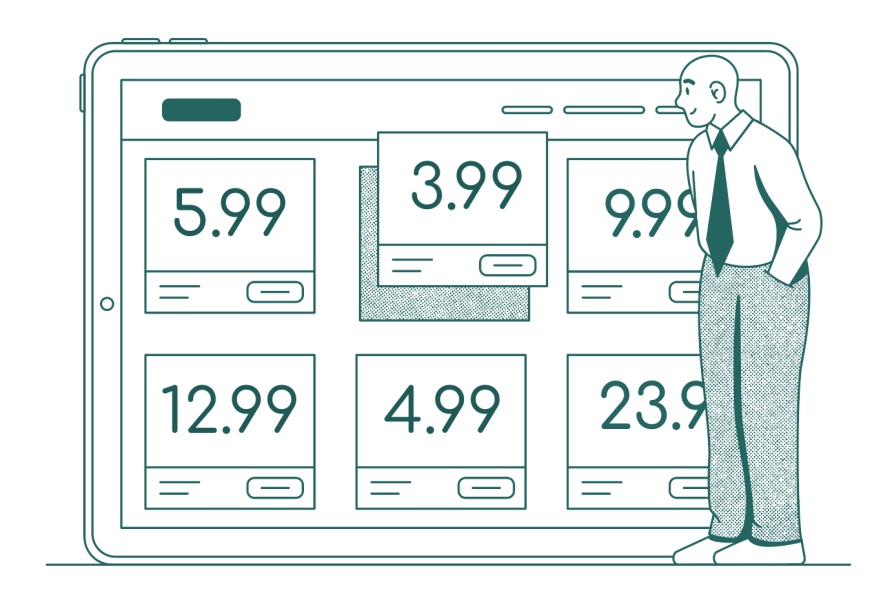
The Benefits of AI-Driven Demand-Based Pricing
How Demand-Based Pricing Rules Drive Better Profitability
Demand isn’t static — it rises and falls with seasons, trends, search interest, web traffic, product page views, and countless market signals. Static rules simply can’t keep up with real market behavior.
AI-Powered Demand-Based Pricing Rules
Capture More Revenue When Demand Surges
Automatically increase prices when demand signals rise—so you never miss high-value opportunities.
Boost Sell-Through When Demand Slows
Intelligently lower prices as interest declines to drive purchases and keep inventory moving.
Balance Profitability with Market Dynamics
Continuously align pricing with real-time demand while protecting margins, even in complex scenarios.
How it works
Intelligent Rules That React to Market Demand in Real Time
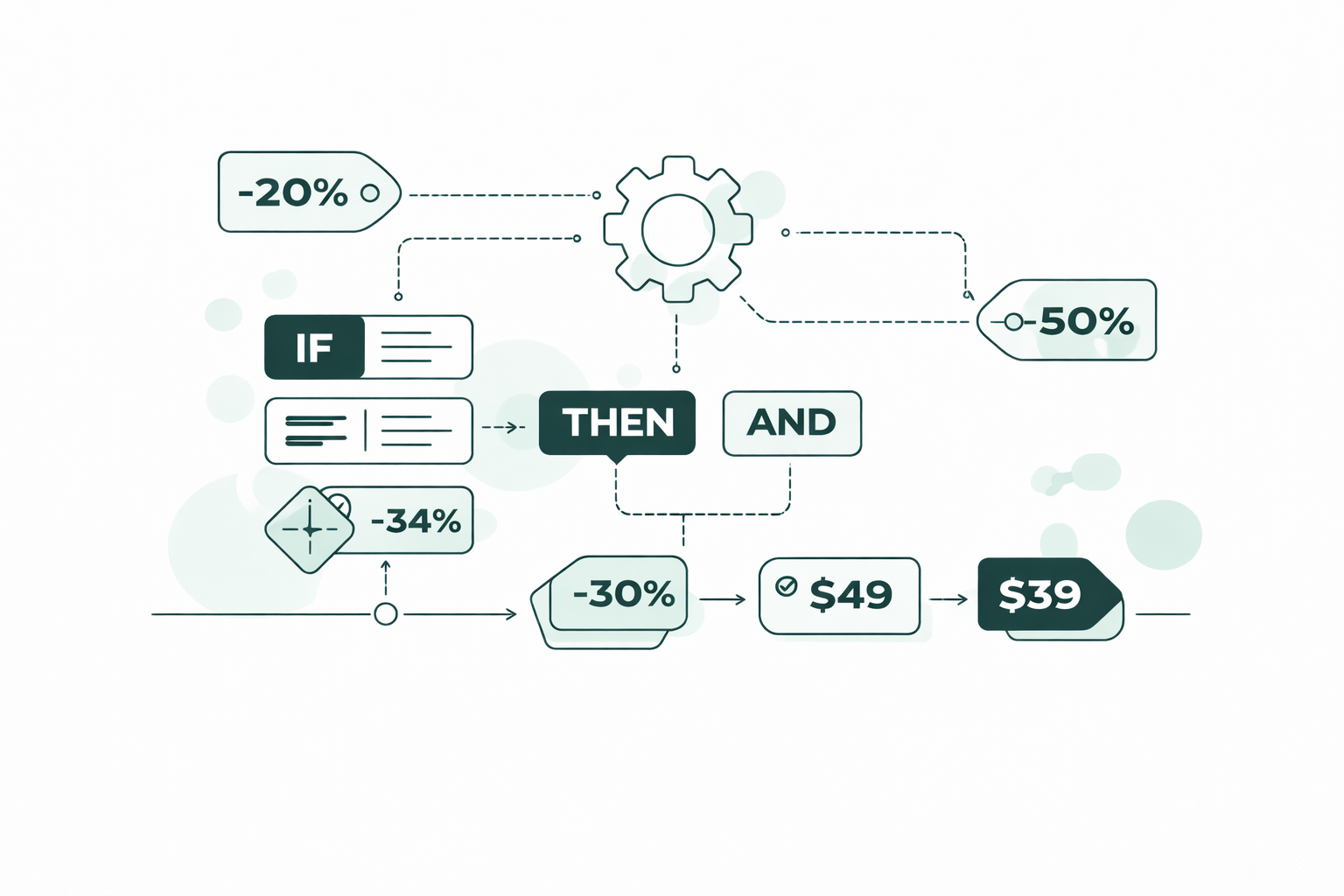
AI-powered demand-based pricing rules continuously monitor signals
- Sales velocity and conversion rate
- Page views and traffic surges
- Search volume trends
- Seasonal and event-driven demand changes
Testimonials


Demand-Based Pricing Rules
Price Smarter. Perform Better.
Get in Touch with Us
Schedule a call with our team!
FAQs
Demand-based pricing rules automatically adjust prices based on real customer demand. Instead of using fixed thresholds, these rules respond to signals like sales velocity, traffic, page views, and seasonality to keep prices aligned with how the market behaves in real time.
Static pricing rules rely on predefined conditions that rarely change. Demand-based pricing rules adapt continuously as demand rises or falls. This allows prices to increase during demand spikes and decrease during slower periods, without requiring constant manual intervention.
AI-powered demand-based pricing rules can monitor signals such as:
- Sales velocity and conversion rate
- Price elasticity
- Page views and traffic changes
- Seasonal patterns and event-driven demand
These signals allow pricing decisions to stay aligned with real market behavior.
When demand increases, prices can rise automatically to capture more value per order. When demand weakens, prices can adjust downward to protect sell-through and reduce excess inventory. This balance helps merchants capture revenue during peaks while maintaining efficiency during slower periods.
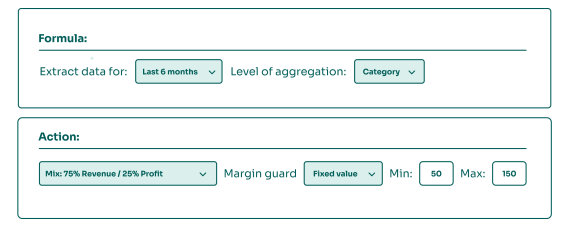
Price changes always operate within boundaries you define. You control minimum and maximum prices, margin guards, and when rules are active. The system reacts to demand, but it never operates without guardrails or outside your defined limits.
Demand-based pricing rules address common challenges such as:
- Missing revenue during demand spikes
- Overstock and slow turnover during low-interest periods
- Difficulty reacting quickly to market changes
- Reliance on manual price updates or discounts
By responding to demand automatically, pricing stays aligned with market conditions.
Yes. Demand-based pricing rules are designed to work across platforms. Whether prices are applied through a Shopify store or managed in a web-based environment, the same demand signals, guardrails, and logic apply consistently.