
inventory pricing
AI-Driven Inventory Pricing Rules for E-Commerce and DTC Brands
Automate smart price adjustments to clear excess stock, protect margins, and sell smarter every day

What’s Not Working with Your Inventory Pricing Today?
Real Inventory Pricing Challenges Merchants Face
- Are slow-moving SKUs tying up capital?
- Are best-sellers selling out too fast—leaving money on the table?
- Are manual pricing rules too rigid or overly complex?
- Struggling to balance inventory levels with profit goals?
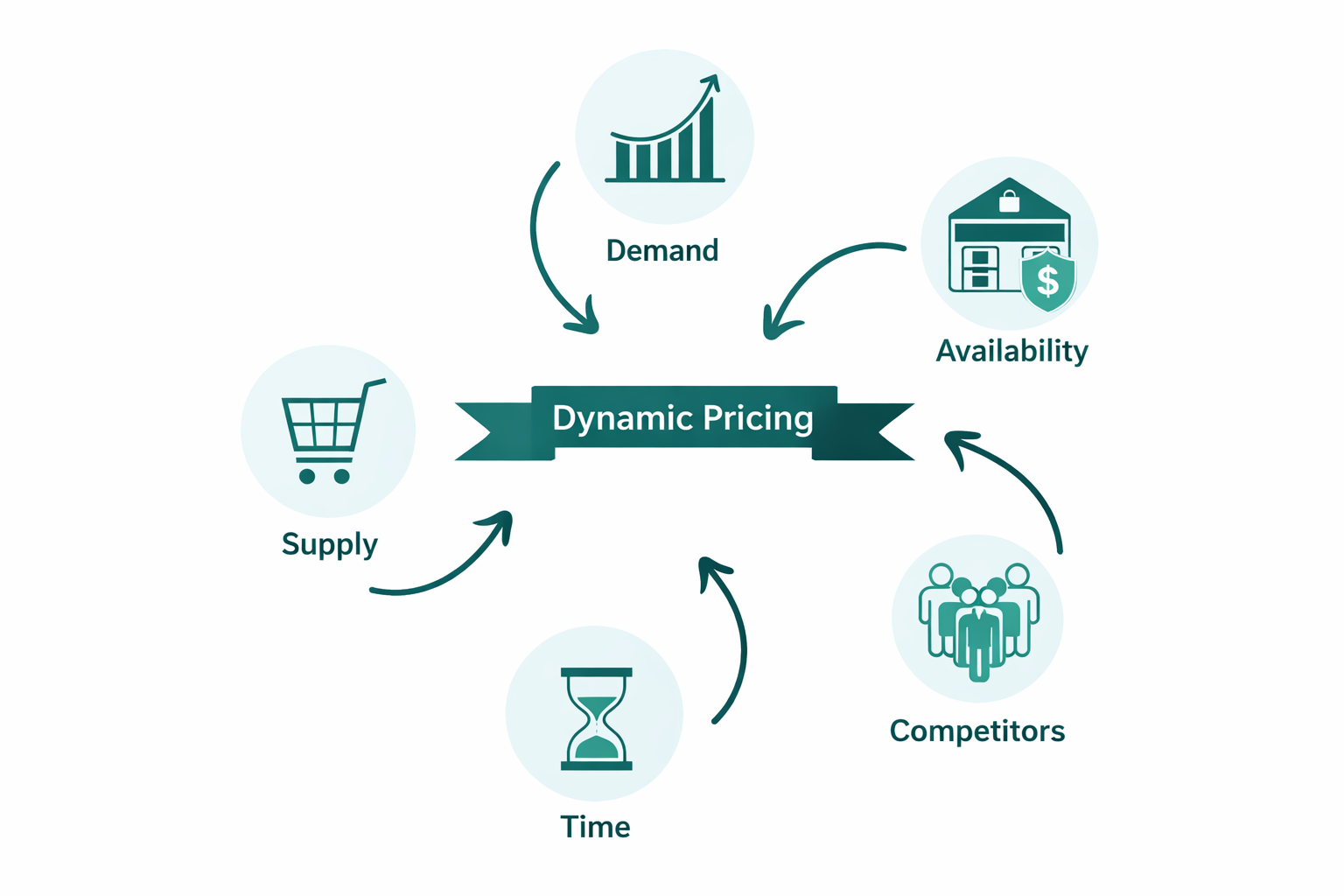
The Benefits of Intelligent Inventory-Based Pricing
How Inventory Pricing Rules Boost Performance
AI-driven inventory pricing rules let you automatically adjust prices based on stock levels, age, and performance — freeing your team from guesswork and endless spreadsheets.
Move Excess Stock Faster
Clear aging and overstocked products by reducing prices only when it makes sense — not too early, not too deep.
Protect Against Stock-Outs
Automatically increase prices on fast-selling or scarce products to improve margins and extend sell-through time.
Improve Cash Flow & Turnover
Free capital stuck in inventory and reinvest in winners with dynamic stock-aware pricing that works 24/7.

How Inventory Pricing Rules Work
Automatic Rules That Think Like You Do
Craft powerful conditional pricing strategies using simple language — no coding or manual setups.
Here’s how our AI understands your inventory strategy
- Define your inventory conditions
- Set your pricing actions
- Schedule and activate
- Stay in control with guardrails

Testimonials


Whether you’re clearing out last season’s styles or protecting margin on limited stock, inventory pricing rules adapt and act for you.
Get in Touch with Us
Schedule a call with our team!
FAQs
Inventory Pricing Rules are automated, condition-based pricing adjustments that react to inventory data — like stock levels and age — so your prices always support your business goals.
They eliminate manual repricing, accelerate inventory sell-through, and protect your margins with smart, automated pricing.
No. Rules are created with simple statements and natural language prompts — no coding required.
When products accumulate or stop selling, inventory pricing rules can gradually reduce prices to stimulate demand. This helps clear excess stock at the right moment—without discounting too early or sacrificing margins unnecessarily.
Yes. Inventory pricing rules can increase prices for fast-selling or scarce products. This helps protect against stock-outs, improve margins, and extend the selling window when demand is strong.
Inventory pricing rules can respond to signals such as current stock levels, days of inventory remaining, sell-through rate, and stock age. These signals allow pricing to adapt to the real state of your inventory over time.
All inventory-based price changes operate within guardrails you define, such as minimum prices, maximum prices, or margin thresholds. This ensures that automated pricing decisions never compromise your profitability.
Yes. Inventory pricing rules can be scoped to specific products, categories, tags, or collections. This allows you to apply different strategies to fast movers, seasonal items, stable sellers or clearance stock.
No. Inventory pricing rules support inventory management by automating price adjustments, but they do not replace forecasting, replenishment, or purchasing decisions. They help pricing stay aligned with inventory conditions as they evolve.