
AI Driven Retail & E-commerce Price Optimization
AI-Powered Retail Pricing Intelligence for E-commerce & Online Stores
Get pricing that adapts to your market, demand signals, and customer perceived value — all powered by intelligent automation
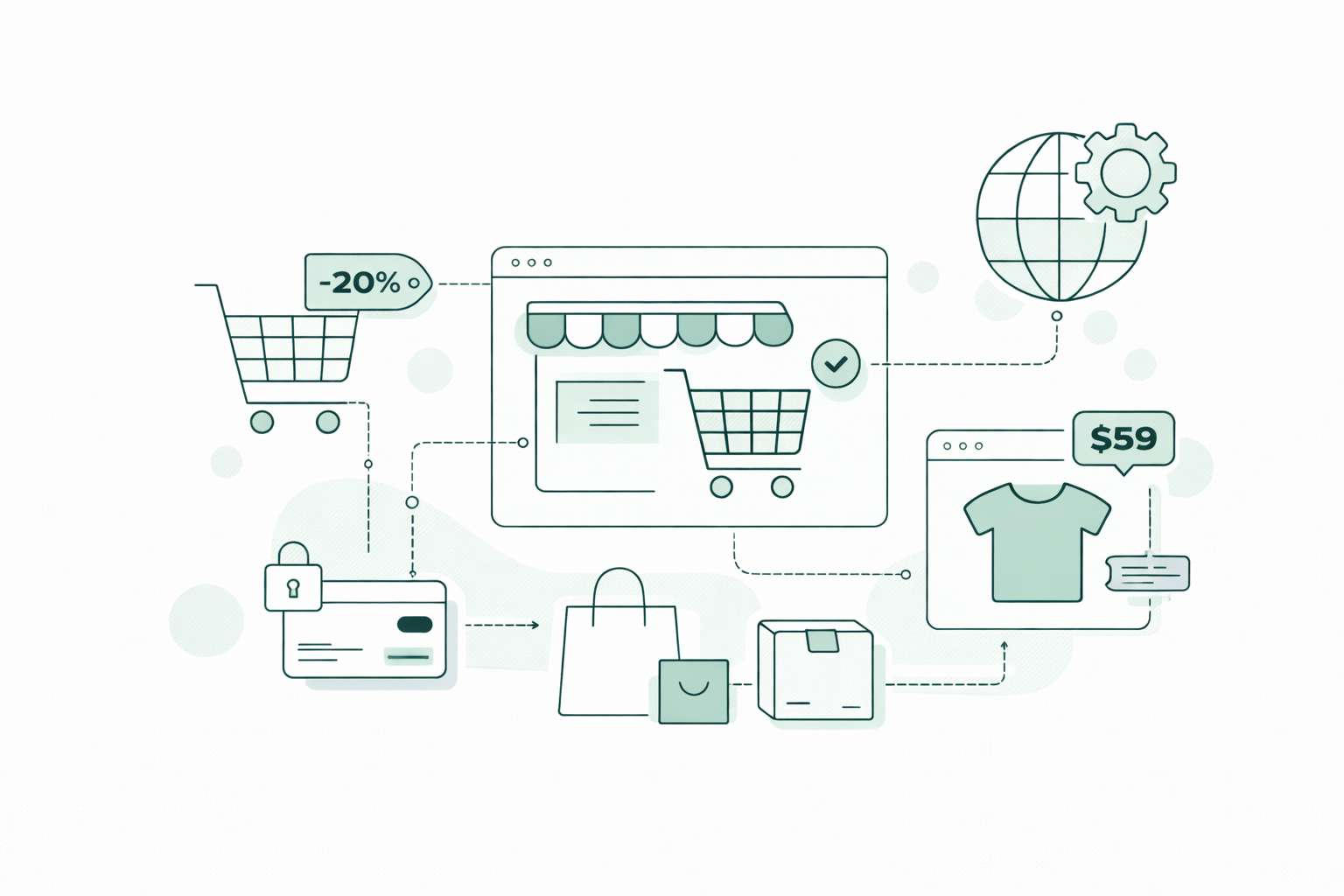
What’s Not Working with Your Retail Prices Today?
Real Pricing Challenges Retailers Face
Not enough insights into your customers’ real willingness to pay?
Are your current prices misaligned with perceived value?
Unsure which price changes will boost profit vs. just reduce revenue?
Driving sales at the expense of profit?
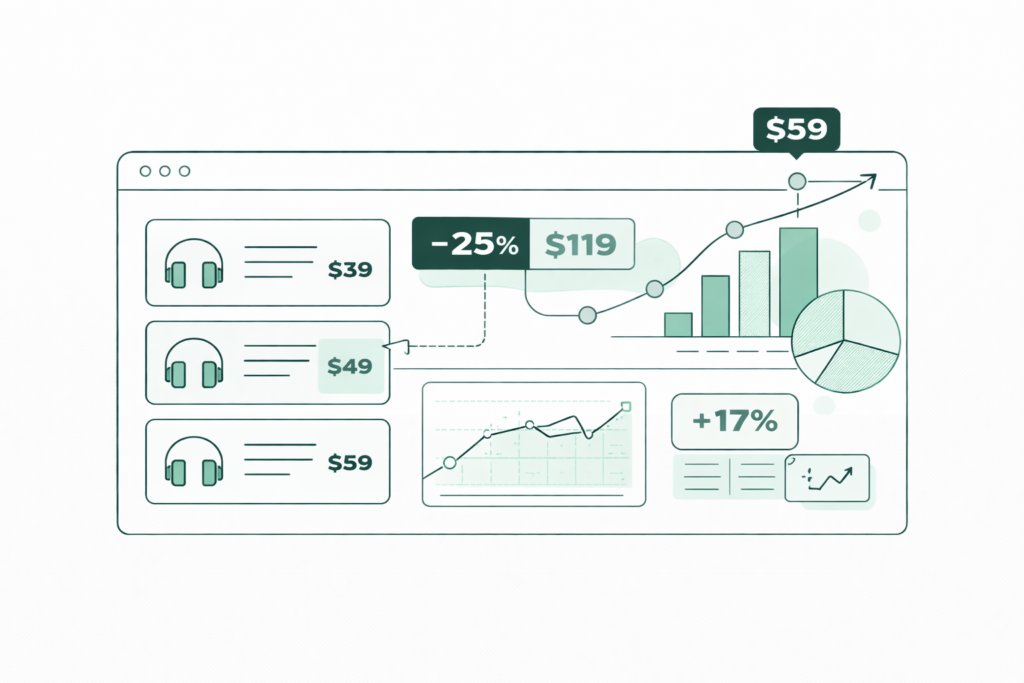
How Intelligent Pricing Drives Results
Discover hidden profitability, increase conversions, and make confident price decisions backed by data instead of guesses
Explore and validate your best prices
Run Price Tests That Reveal What Your Market Really Pays
Experiment with price points confidently — whether pushing margins, driving volume, or finding the perfect balance between the two.
Identify true pricing ceilings on trending products
Boost sales velocity on slow movers
Balance margin vs. volume for sustainable growth
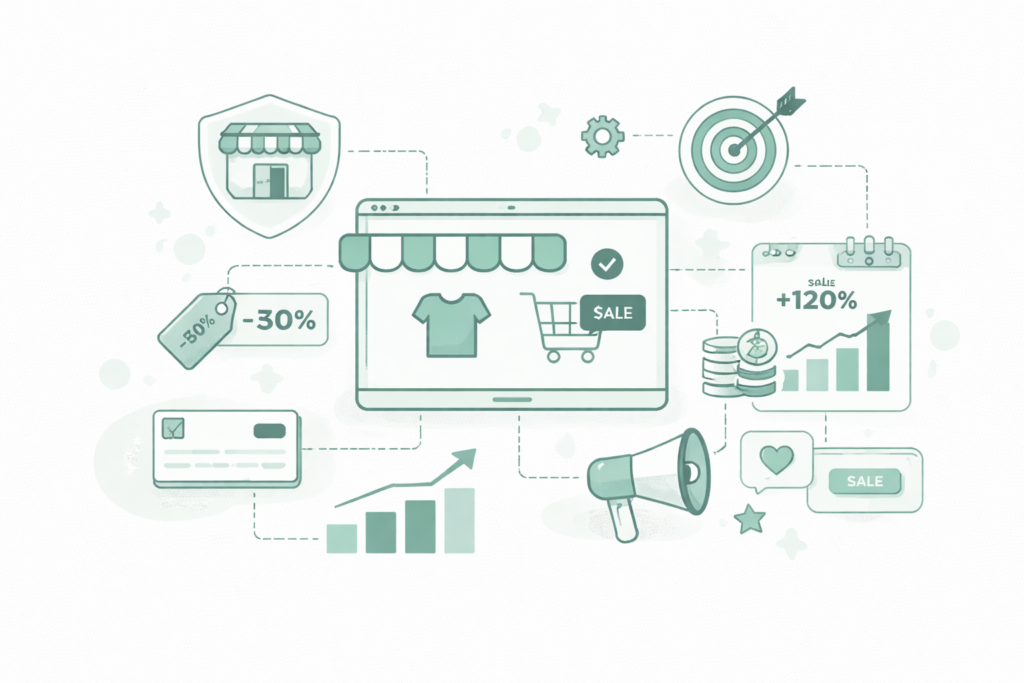
How it works
Discover Optimal Prices with Data-Backed AI
Let AI uncover whether your current prices are too low, too high, or just right — based on customer behavior, demand signals, and market competition
Testimonials


Advanced Pricing Intelligence for Retail & E-commerce
Move beyond gut feel and outdated spreadsheets. Use proven AI to optimize pricing for growth and profitability.
Get in Touch with Us
Schedule a call with our team!
FAQs
AI-driven price optimization uses machine learning and performance data to identify the most effective price for each product.
Instead of relying on static markups or manual adjustments, the system analyzes demand signals, customer behavior, and market conditions to optimize for revenue, profit, or a strategic mix of both.
The platform evaluates historical sales data, demand patterns, elasticity signals, and competitive positioning to determine whether your current prices are underperforming or leaving margin on the table. AI models such as price testing frameworks and adaptive optimization engines continuously refine these insights over time.
Yes. You can prioritize revenue growth, margin maximization, or a balanced objective across product categories — similar to how category-level AI models optimize for different profit–revenue mixes. This allows your pricing strategy to reflect your business goals.
Traditional dynamic pricing often follows fixed rules (e.g., match competitor −2%).
AI-driven optimization goes further by:
- Testing price elasticity
- Learning from performance outcomes
- Adapting to contextual data
- Continuously refining pricing policies
This results in smarter, outcome-driven decisions rather than reactive adjustments.
Yes. Price testing frameworks allow you to experiment with structured price ranges and measure how customers respond before rolling out permanent changes. This helps identify pricing ceilings and revenue-maximizing levels with measurable confidence
Yes. The system is designed for retailers and e-commerce merchants managing large SKU volumes. It can operate at product, category, or portfolio level — applying consistent optimization logic across your catalog.
No. All pricing actions operate within predefined margin guards and business constraints. The system is built to balance growth with profitability — not sacrifice one for the other.
AI models incorporate contextual signals such as seasonality, promotions, competitor pricing, and buyer behavior to dynamically adjust pricing strategies over time. This allows your pricing to evolve as the market evolves.